
Cockroach German
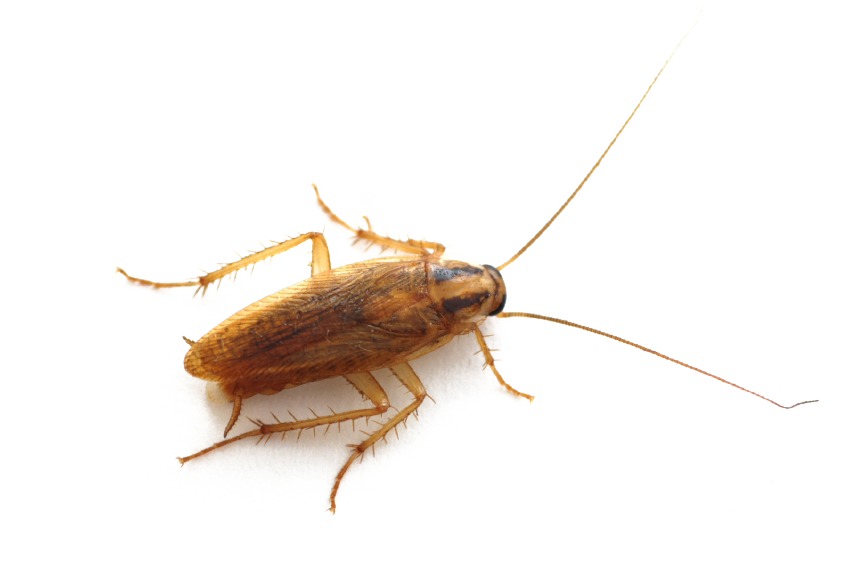
German Cockroach (Blattella germanica)
Probably the most invasive and troublesome cockroach species found in homes, restaurants, hospitals, hotels, supermarkets, food-processing plants, and virtually any building where people live or handle food.
Appearance
Adults are light tan to medium reddish-brown with two distinctive, almost black parallel stripes running lengthwise from the back of the head down the pronotum (the shield-like area behind the head). These two dark bands are the quickest way to identify them. They are relatively small—adults reach only about 13–16 mm long (roughly half an inch)—making them more discreet and harder to spot than larger species like American or Oriental cockroaches. Both males and females have wings that cover the abdomen, but they rarely fly; they prefer running at high speed.
Life cycle and reproduction – the reason they explode in numbers so quickly
The German cockroach has one of the fastest reproductive rates of any household insect:
- A single mated female can produce 300–400 offspring in her lifetime.
- Females carry the egg capsule (ootheca) protruding from the tip of the abdomen for 20–30 days until just hours before the eggs hatch.
- Each light-brown capsule is 7–9 mm long and contains 30–40 eggs (sometimes up to 48).
- Nymphs hatch inside the home and go through 6–7 moults over 6–12 weeks before becoming adults (faster in warm, humid conditions).
- Under ideal kitchen conditions (28–32 °C), a population can increase from a single pregnant female to many thousands in less than six months.
Because the female protects the egg case almost until hatching (unlike most roaches that drop or glue it somewhere early), very few eggs are wasted, giving this species a huge survival advantage indoors.
Where they live and hide
German cockroaches have evolved to live in very close association with humans and cannot survive outdoors in temperate climates. They need warmth (below 15 °C they stop breeding), moisture, and food. Favourite locations include:
- Behind and under kitchen appliances (fridges, freezers, stoves, dishwashers, microwaves)
- Inside motor compartments of fridges and vending machines
- Cracks around cupboards, kick plates, and pipework
- Behind loose tiles, wallpaper, and electrical sockets
- In bathrooms around sinks, toilets, and hot-water pipes
- Inside false ceilings, wall voids, and drawer slides
- In commercial kitchens: under stainless-steel benching, inside grease traps, and around drains
They will spread throughout an entire building via pipe chases, electrical conduits, and shared walls in apartments and hotels.
Health risks and contamination
German cockroaches are not just unpleasant—they are a serious public-health pest:
- They carry and spread bacteria such as Salmonella, E. coli, Staphylococcus, and Streptococcus on their bodies and in their faeces.
- They contaminate food, utensils, and surfaces with pathogens and allergens.
- Cockroach droppings, shed skins, and saliva contain potent allergens that are a major trigger for asthma, especially in children. Studies show that 80–90 % of inner-city children with asthma are sensitised to cockroach allergens.
- Their faecal pellets (small, dark, ink-spot-like specks) and musty odour are often the first signs of an infestation.
Signs of a German cockroach infestation
- Live nymphs or adults seen in daylight (a sign the population is large and overcrowded)
- Pepper-like black droppings in drawers, on shelves, or along edges
- Egg capsules (empty or full) dropped in hidden corners
- A distinctive sweetish, oily odour in heavy infestations
Why they are so hard to control
- Extremely high reproductive rate
- Rapid development of insecticide resistance (many populations are now resistant to pyrethroids, carbamates, and even some organophosphates)
- Preference for hiding in tiny cracks that sprays can’t reach
- Ability to survive on minuscule amounts of food (hair, glue, soap residue, toothpaste)
Effective control almost always requires a professional integrated approach using insect growth regulators (IGRs), non-repellent residual insecticides, and high-quality gel baits applied precisely into cracks and crevices. DIY efforts with supermarket sprays and foggers usually make the problem worse by scattering the population and accelerating resistance.
If you see even one German cockroach during the day, it’s a warning that hundreds or thousands are hiding nearby. Call SWAT Exterminators immediately for a thorough inspection and targeted treatment programme.
Don’t share your home with the world’s most unwanted housemate.